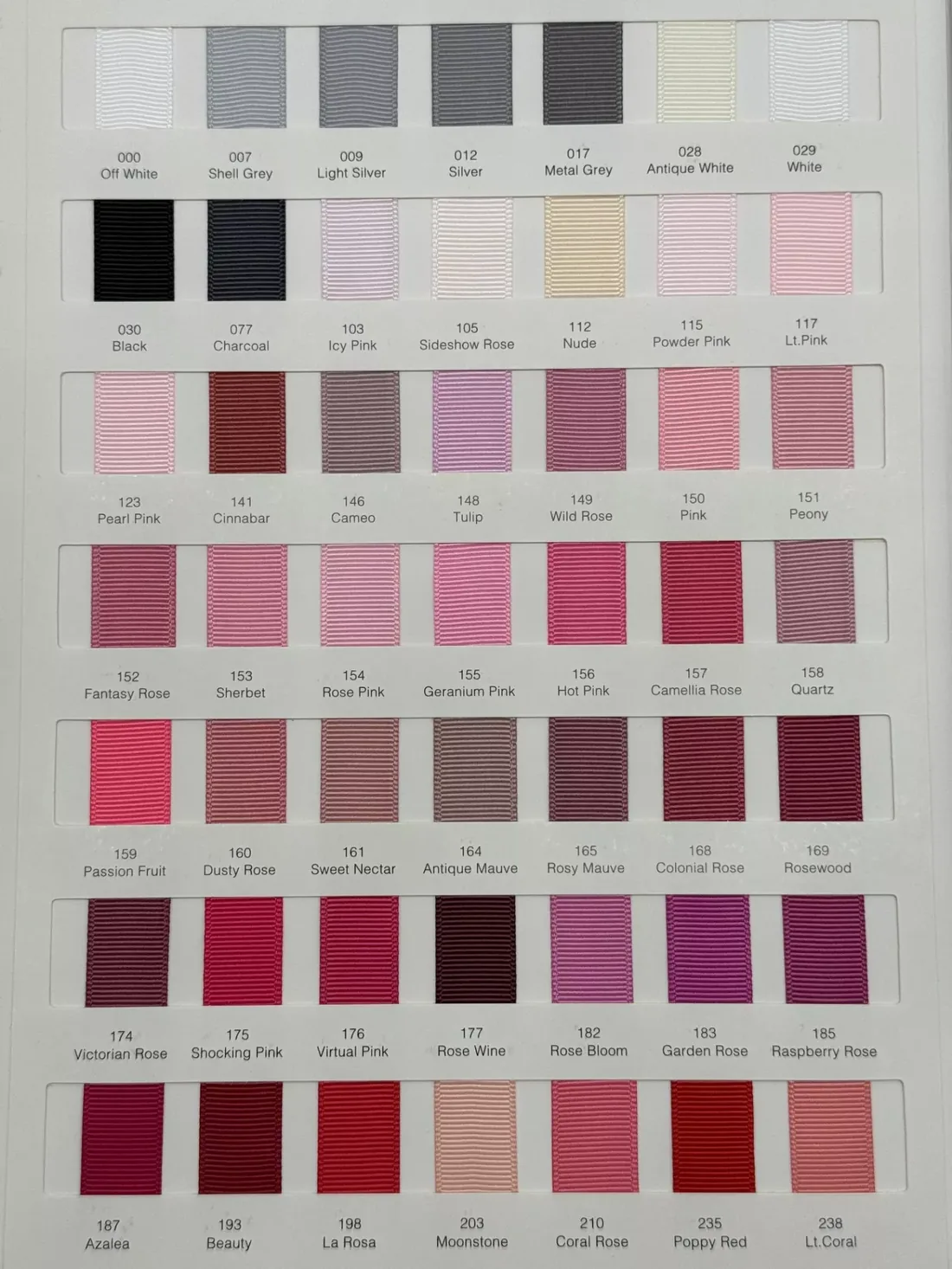
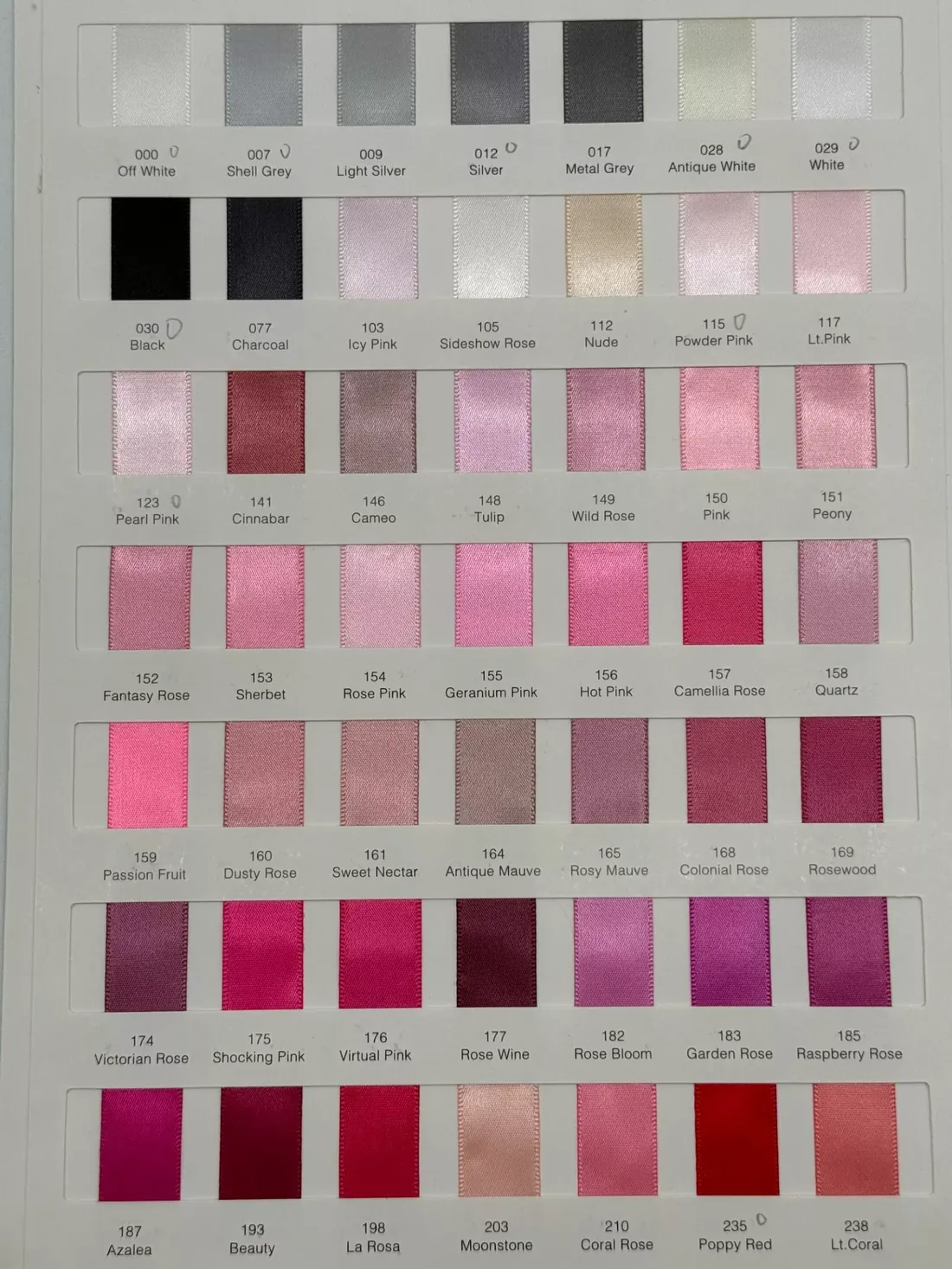
Colour card
A shade is agreed on a physical reference, not on a screen. The card lists what is held in stock; a dip answers anything the card does not.
Each stock shade carries a reference, and an order can be placed against that reference alone. Where the shade has to be yours, the reference becomes the starting point for a laboratory dip, which is posted and approved before bulk. The difference between the two routes is the calendar and the minimum, not the colour quality.
Repeat orders are dyed to the approved dip rather than to the original reference, so a second production run does not read as a second shade against the first.


Colour questions
- Is there a printed colour card?
- Yes. It lists the shades held in stock and the widths each is stocked in, and it is posted on request. Ask for it with the application, because the card is organised by end use.
- Can a stock shade be dyed slightly different?
- Yes, as a dyed-to-match order with its own minimum set by the dye lot. The card shade is the starting point, and the dip is what gets approved.
- How close is the ribbon to the chip on screen?
- Do not judge a shade on a monitor. The card and the dip are physical, and that is the only comparison worth making.
Ask for the colour card
Send the reference you want matched, the width in millimetres and the quantity per colour. You get a price, a lead time and a sample date back, usually within one working day.